

Okudunuz mu?

İçindekiler
- 1. Unveiling the Mysteries of Egypt: Your Ultimate Travel Guide to the Land of Pharaohs
- 2. From Pyramids to Palm Trees: A Comprehensive Guide to Experiencing Egypt Like a Local
- 3. 10 Hidden Gems in Egypt That Every Traveler Should Explore
- 4. Navigating the Nile: Essential Tips for Your Egyptian Adventure
- 5. Beyond the Wonders: What to Experience Off the Beaten Path in Egypt
- 6. A Taste of Egypt: Culinary Delights You Must Try on Your Journey
- 7. Cultural Etiquette in Egypt: What Every Traveler Needs to Know
- 8. Frequently Asked Questions
- 8.1. What is the best time to travel to Egypt?
- 8.2. What health and safety tips should I know for Egypt?
- 8.3. What are the typical costs of traveling in Egypt?
- 8.4. What are the must-visit attractions in Egypt?
- 8.5. How should I dress for visiting Egypt?
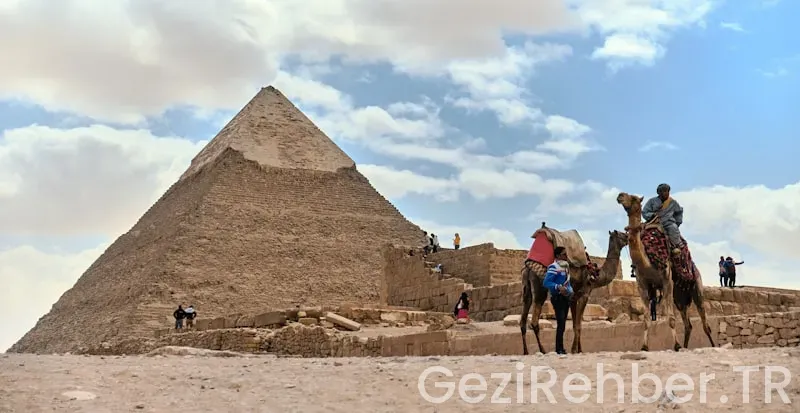
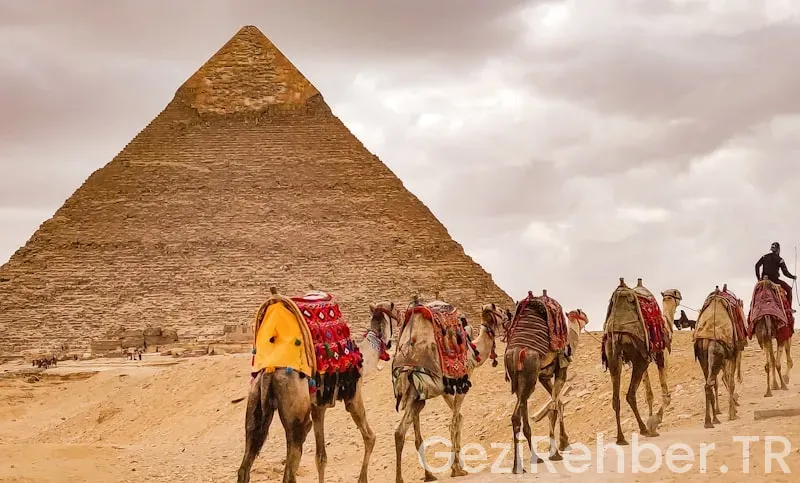
First off, let’s talk about the pyramids. You can’t visit Egypt without marveling at these colossal structures. Ever stood before a giant, like the Great Pyramid of Giza? It’s like gazing at a time machine that whisks you back thousands of years. Don’t forget to snap a selfie with the Sphinx; it’s not every day you get to kick it with a legendary creature!
Now, if you’re ready to soak up some sun and history simultaneously, head to Luxor. It’s often called the world’s greatest open-air museum. Picture yourself wandering through the Valley of the Kings, where tombs of pharaohs tell stories of glory and intrigue. Can you feel the excitement?

When it comes to food, oh boy, you’re in for a treat! Dive into local dishes like koshari or falafel, and let your taste buds dance. Each bite is like an invitation to experience Egypt’s rich culture. And let’s not forget about sweet mint tea! It’s the perfect way to kick back after a long day of exploring.
As for getting around, you have options galore. Whether it’s hopping on a felucca for a relaxing Nile ride or taking a bus to soak in the desert views, you’ll find your groove. Although, a tip: a local guide can make a world of difference, opening doors to hidden gems only the locals know about.
So, are you ready to pack your bags and embark on this incredible journey? Egypt is waiting, and there’s no place quite like it!
Unveiling the Mysteries of Egypt: Your Ultimate Travel Guide to the Land of Pharaohs
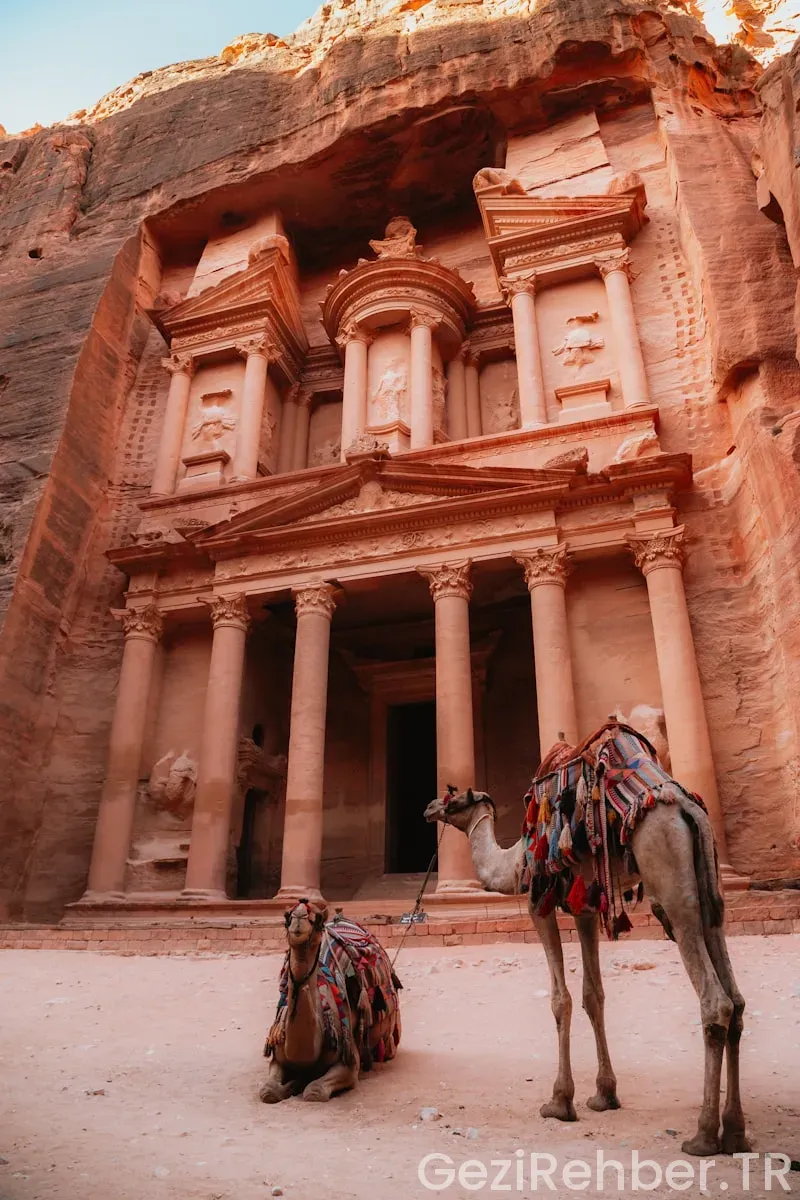
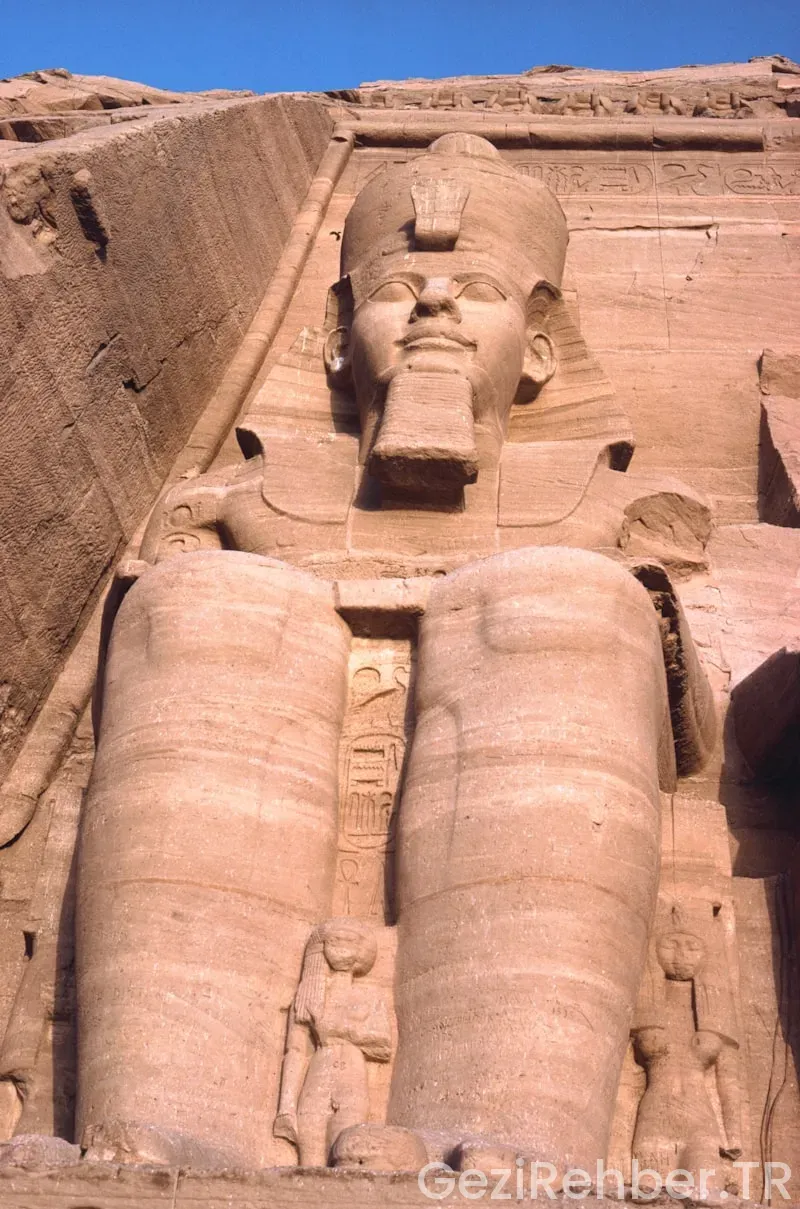
From the iconic pyramids piercing the sky to the majestic Sphinx keeping watch, every corner of Egypt tells a story. It’s like a time machine, whisking you back to an era filled with grandeur and mystery. Ever wondered what the hieroglyphs really mean? Don’t sweat it! The rich history is all around you, and local guides are just a shout away, eager to share tales that will make your jaw drop.
And let’s talk food! Egyptian cuisine is a delicious rollercoaster for your taste buds. Picture yourself savoring koshari, a hearty mix of lentils, rice, and pasta topped with zesty tomato sauce. Isn’t it the perfect meal after a day of exploring ancient temples? Just make sure you try some fresh falafel! It’s like a burst of flavor that dances across your palate.
From Pyramids to Palm Trees: A Comprehensive Guide to Experiencing Egypt Like a Local
Now, let’s take a stroll through bustling Cairo markets. Ever nibbled on warm, fluffy kebabs while haggling over spices? It’s a sensory delight! The vibrant colors, tantalizing smells, and lively chatter make you feel alive. Locals have a knack for bargaining, and joining in isn’t just fun—it’s a rite of passage.
But Egypt isn’t only about ancient wonders; the Nile River is like the country’s lifeblood. Picture yourself taking a traditional felucca ride as the sun sets, casting a golden hue over the water. You’ll find it’s not just about the scenery—the stories shared between locals floating down the river are what make it unforgettable.
Next, let’s chat about palm trees. Yes, those swaying beauties! They’re everywhere, especially in places like Luxor and Aswan. Imagine sipping a refreshing hibiscus drink under the shade of a palm, chatting with friendly locals about their daily lives. It’s all about those little moments that make you feel part of the community.
10 Hidden Gems in Egypt That Every Traveler Should Explore
First up is Siwa Oasis. Picture this: a serene landscape filled with palm trees and natural springs, where you can sip on fresh dates while soaking in the tranquility. You feel like you’ve stepped into another world! Then there’s the stunning city of Aswan, gently cradled by the Nile. This spot is like a painter’s palette—a mix of lush greenery and colorful Nubian houses that will make your heart sing.
Don’t forget about the mystical Temple of Karnak in Luxor. While Luxor is famous, Karnak often gets overshadowed. Standing amidst towering columns and intricate hieroglyphs, you can almost hear the whispers of the ancients. And let’s not overlook the Red Sea’s lesser-known beaches, like those in Dahab—think pristine sands, incredible diving, and no crowded resorts to ruin your vibe.
Ever heard of the unusual city of El-Minya? It’s home to ancient monastic sites and allows you to step back in time among beautifully preserved rock-cut churches. For art lovers, the streets of Asmat are decorated with murals that tell the fascinating story of Egypt’s modern culture.
Navigating the Nile: Essential Tips for Your Egyptian Adventure
First off, timing is everything. The best time to visit is between October and April when the weather is pleasant, and the crowds are manageable. Think of it like scheduling a picnic – you wouldn’t want to pick a rainy day, right? Next, pack smart! Lightweight clothes, sunscreen, and a comfortable pair of shoes are your best friends. Picture wandering through temples like Karnak or Luxor—the last thing you want is sore feet ruining your exploration.
Now, let’s talk about transportation. Cruises are a fabulous way to soak in the scenery, but don’t overlook the local felucca boats. Imagine sailing slowly down the river with the sunset painting the sky—a memory that’ll last a lifetime. And speaking of memories, make sure to bring a good camera. You’ll want to capture not just the awe-inspiring monuments but the everyday life along the banks.
Don’t forget to indulge in the local cuisine! Try koshari or falafel, which will tantalize your taste buds and give you a true taste of Egyptian culture. Engaging with locals can also enrich your experience; they have stories richer than the Nile itself. So why not strike up a conversation? Who knows what hidden gems you might uncover?
Beyond the Wonders: What to Experience Off the Beaten Path in Egypt
Have you ever heard of the Siwa Oasis? Nestled deep in the Western Desert, it’s like stepping into a mirage of palm trees and crystal-clear springs. The locals here speak a unique Berber dialect, and their hospitality is as warm as the desert sun. You can explore the ancient ruins of the Oracle Temple and indulge in a therapeutic mud bath—it’s rejuvenating, trust me!
Or how about exploring the stunning landscapes of the Dahab coast? This gem on the Red Sea boasts breathtaking coral reefs and laid-back vibes. Whether you’re snorkeling among vibrant fish or enjoying a shisha on the beach while watching the stars twinkle above, it’s pure magic.
Then there’s the incredible city of Aswan. Instead of just rushing through to catch the cruise, take a moment to explore the local markets filled with spices that bring your senses alive. The colorful textiles? They’re like pieces of art that tell stories of generations. And if you’re up for an adventure, hop on a felucca—a traditional sailboat—and glide across the Nile, feeling the breeze as you soak in the stunning views of the ancient temples lining the riverbank.
A Taste of Egypt: Culinary Delights You Must Try on Your Journey
First up, let’s talk about koshari. Think of it as Egypt’s comfort food, a delightful combination of rice, lentils, macaroni, and topped with a zesty tomato sauce. Picture a boisterous street vendor serving this up with a sprinkle of crispy onions and a drizzle of garlic sauce. It’s the kind of dish that wraps around your heart like a warm hug.
Then there’s falafel, or ta’ameya as the locals call it. These fluffy balls of ground fava beans, seasoned with herbs, are pure joy. Crunchy on the outside and soft on the inside, they’re like little green nuggets of happiness. Imagine biting into one so fresh, you can still taste the earthiness of the herbs and spices.
Don’t miss out on molokhia! This is not just a soup; it’s a culinary experience. Made from the leaves of the jute plant and cooked in a savory broth, this dish is a hug in a bowl. You can savor it with rice or bread, with the aromatic smells taking you on a nostalgic ride.
And if you’re still hungry, dive into some baklava for dessert. These sweet, flaky pastries soaked in syrup are like a little slice of heaven. Each bite is an explosion of sweetness and crunch that will leave you wanting more.
So, whether you’re strolling through a local market or dining at a riverside café, your taste journey in Egypt will be anything but ordinary. Getting lost in these flavors is part of the magic of exploring this vibrant land.
Cultural Etiquette in Egypt: What Every Traveler Needs to Know
First off, greetings matter. When you meet someone, a warm handshake is the norm, but don’t be surprised if a friendly “Salam” is accompanied by a smile or even a question about your well-being. Egyptians appreciate a personal touch, so don’t shy away from small talk. And fun fact: it’s polite to use your right hand for handshakes and when passing items. The left? That’s reserved for less favorable tasks, if you catch my drift!
And hey, if you’re invited to someone’s home, consider yourself lucky! It’s a sign of respect. Bring a small gift, like sweets or flowers—anything that shows you value their hospitality. And remember, remove your shoes at the door—it’s all about keeping their space clean and respectful.
Now, let’s talk about modesty, especially when visiting religious sites. It’s wise to dress respectfully; think loose clothing and scarves for women. The locals will appreciate your efforts to honor their traditions.
Eating in Egypt can be a delightful experience, but table manners matter! Eat with your right hand and join in on communal plates; sharing is a beautiful act here. Just be mindful not to point with your fingers, a gesture that’s seen as rude.
Immerse yourself in the rhythm of Egyptian life—learn a few phrases, embrace their warmth, and you’ll find that a little cultural sensitivity goes a long way in making your travels unforgettable.
Frequently Asked Questions
What is the best time to travel to Egypt?
The ideal time to visit Egypt is between October and April when temperatures are milder, making it comfortable for exploring the historical sites. December to February is peak tourist season due to pleasant weather, but also more crowded. For fewer crowds and slightly warmer temperatures, consider traveling in late September or March.
What health and safety tips should I know for Egypt?
When traveling in Egypt, prioritize drinking bottled water, avoiding street food to prevent foodborne illnesses, and wearing sunscreen to protect against sunburn. Stay aware of your surroundings, use reputable transportation, and keep your valuables secure. Familiarize yourself with local customs and emergency contact numbers for a safe and enjoyable trip.
What are the typical costs of traveling in Egypt?
Traveling in Egypt can vary significantly in cost depending on factors such as accommodation, transportation, and activities. Budget travelers might spend around $30-50 per day, while mid-range options usually range from $50-150 daily. Luxury travelers can expect to pay $150 and upwards. Key expenses include hotel rates, food, entrance fees to attractions, and guided tours. Planning ahead and researching options can help manage costs effectively.
What are the must-visit attractions in Egypt?
Egypt is home to iconic attractions that showcase its rich history and culture. Key sites include the Pyramids of Giza, the Great Sphinx, the temples of Luxor and Karnak, the Valley of the Kings, and the bustling markets of Cairo. Additionally, the serene beaches of the Red Sea and the historic city of Alexandria offer unique experiences for travelers. Each attraction provides a glimpse into Egypt’s ancient civilization and contemporary life.
How should I dress for visiting Egypt?
When visiting Egypt, it is advisable to wear lightweight, breathable clothing due to the hot climate. Opt for modest attire that covers shoulders and knees, especially when visiting religious sites. Light fabrics like cotton are ideal, and don’t forget a hat and sunglasses for sun protection. Comfortable footwear is essential for walking, and layering can be helpful for cooler evenings.