
Okudunuz mu?
İçindekiler
- 1. Discover the Hidden Gems: Your Ultimate Korea Travel Guide for 2023
- 2. From Seoul to Jeju: A Complete Adventure Guide to Exploring Korea
- 3. Savor the Flavors: A Foodie’s Travel Guide to Korea’s Culinary Delights
- 4. Cultural Treasures: Uncovering Korea’s Historic Sites and Traditions
- 5. The Ultimate Korea Travel Guide: Top 10 Must-Visit Destinations
- 6. Frequently Asked Questions
- 6.1. What Are the Best Times to Visit Korea?
- 6.2. How Do I Communicate in Korea Without Speaking Korean?
- 6.3. What Should I Know About Korean Cuisine?
- 6.4. How Do I Navigate Public Transportation in Korea?
- 6.5. What Are the Must-Visit Destinations in Korea?
Getting around Korea is a breeze, thanks to its efficient public transport. The subway in Seoul is like a well-oiled machine—clean, timely, and user-friendly. Ever seen subway stations that resemble art galleries? Trust me, you’ll want to snap a few pics as you navigate your way to destinations like Myeongdong and Dongdaemun. And while you’re at it, don’t forget to grab some street food. Tteokbokki, those spicy rice cakes, will have you hooked instantly!
Then there’s the breathtaking scenery. Have you ever hiked up a volcanic mountain in Jeju? The views from the top are nothing short of surreal, like stepping into a painting where nature reigns supreme. Exploring traditional Hanok villages in Bukchon will make you feel like you’ve traveled back in time. Each house tells a story, with its intricate architecture showcasing Korea’s deep-rooted history.

Discover the Hidden Gems: Your Ultimate Korea Travel Guide for 2023
Imagine strolling through the charming streets of Jeonju, where the aroma of sizzling Bibimbap fills the air. This city isn’t just about food; it’s steeped in history, with traditional hanoks lining the cobble-stoned alleys. You can feel the essence of ancient Korea in every corner, creating a perfect backdrop for that Instagram post.
Ever heard of Gyeongju? Often referred to as “the museum without walls,” this city is a time capsule, showcasing royal tombs, ancient temples, and breathtaking landscapes. Picture yourself standing before the stunning Seokguram Grotto, where a serene Buddha statue watches over you — it’s like stepping into a painting.
And let’s not forget about Jeju Island, the Hawaiian paradise of Korea! With its majestic Hallasan Mountain and stunning coastal views, it’s a haven for nature lovers. Hiking trails and beautiful beaches make it an adventure playground, just waiting for you to dive into its crystal-clear waters or wander through its lush greenery.
Are you a fan of quirky experiences? Head to the village of Bukchon Hanok in Seoul where you can immerse yourself in traditional crafts and tea ceremonies. It’s like being part of a living museum — you won’t just see history; you’ll experience it yourself.
From Seoul to Jeju: A Complete Adventure Guide to Exploring Korea
Now, after soaking up the urban energy, how about a breath of fresh air? Hop on a quick flight or ferry to Jeju Island. It’s like going from the bustling heartbeat of a city to the tranquil embrace of nature. Imagine standing atop Hallasan, the tallest mountain in South Korea, surrounded by lush scenery that feels like a fantastical painting. Don’t forget to check out the stunning beaches; the clear blue waters are so inviting, you’ll want to dive in immediately!
But that’s just the start. Jeju is a treasure trove of natural wonders. Ever heard of the Manjanggul Lava Tube? It’s like stepping into another world, where ancient volcanic formations create an otherworldly atmosphere. And, if you’re up for it, try some local black pork BBQ—you won’t regret this culinary adventure one bit!
Pondering what’s next? Maybe hike along the stunning Olle Trails that hug the coastline, or relax with a cup of the famed Jeju green tea at a quaint local café. Each step reveals hidden gems that beckon exploration, ensuring your adventure from Seoul to Jeju is packed with unforgettable experiences like no other!
Savor the Flavors: A Foodie’s Travel Guide to Korea’s Culinary Delights
First up, let’s talk about kimchi. This fermented wonder isn’t just a side dish; it’s a beloved staple that accompanies almost every meal. Imagine crunching into a perfectly spicy, tangy bite that’s been aged to perfection. It’s not just food; it’s a cultural experience served in every household! And if you think that’s impressive, wait until you try bibimbap. This colorful rice bowl, topped with vibrant veggies and a sunny-side-up egg, bursts with flavors that’ll have you coming back for more.
Ever heard of Korean BBQ? It’s not just a meal; it’s an adventure! Picture yourself grilling marinated beef right at your table while savory smoke curls up into the air, tantalizing your senses. The thrill of cooking your own food adds a layer of fun; it’s all about bonding over sizzling meats and mouthwatering sides.
Don’t forget to indulge in street food! Vendors serve up everything from tteokbokki, hot rice cakes smothered in a spicy sauce, to hotteok, sweet pancakes filled with a gooey cinnamon mix. Each bite is a delightful surprise, making it impossible to resist.
With its rich tapestry of flavors and vibrant food culture, Korea invites you to savor every moment. So, grab a seat at a local eatery and let your taste buds guide you through this unforgettable culinary adventure!
Cultural Treasures: Uncovering Korea’s Historic Sites and Traditions
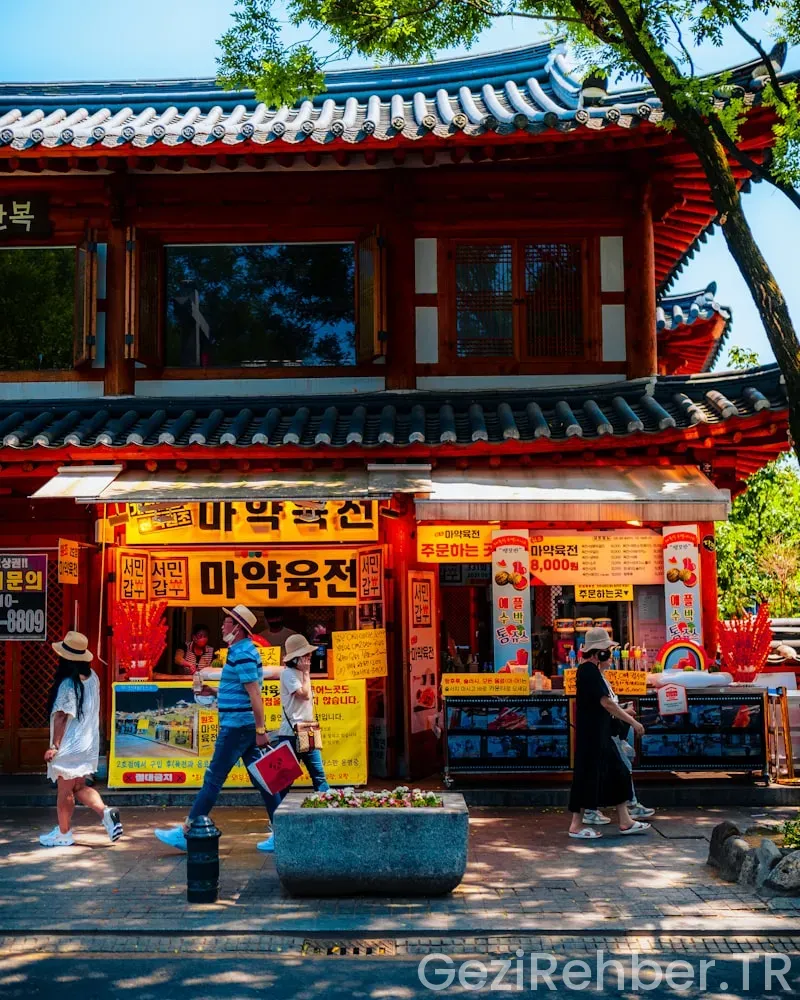
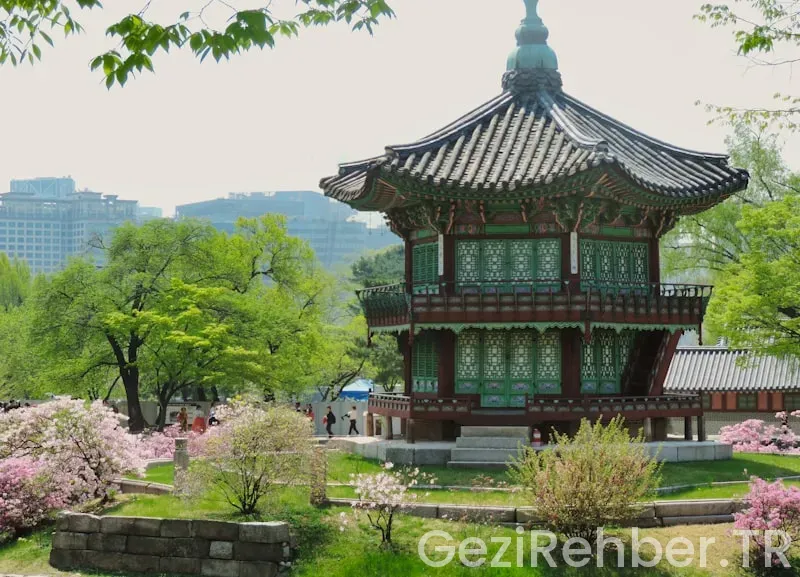
Start your journey in Seoul with Gyeongbokgung Palace, where you can almost hear the sounds of royalty echoing through its halls. It’s breathtaking, with its intricate roofs and beautiful gardens, making you feel like you’ve walked right into a historical drama. Can you imagine all the royal shenanigans that have happened there?
Then, head down to Jeonju Hanok Village, a place that offers a peek into traditional Korean life. With its houses that look like they’ve sprung straight from a storybook, it’s like a living museum. Everyone’s busy enjoying bibimbap or trying on hanbok, feeling like a part of history. Isn’t it fascinating how food and fashion can connect us to the past?
And let’s not forget the age-old tradition of tea ceremonies. These ceremonies aren’t just about sipping tea; they’re a beautiful dance of mindfulness and respect, a form of art that slows down time. When you enter that serene space and watch the meticulous movements, it’s like stepping into a meditative dance—time feels irrelevant, and you’re just present.
The Ultimate Korea Travel Guide: Top 10 Must-Visit Destinations
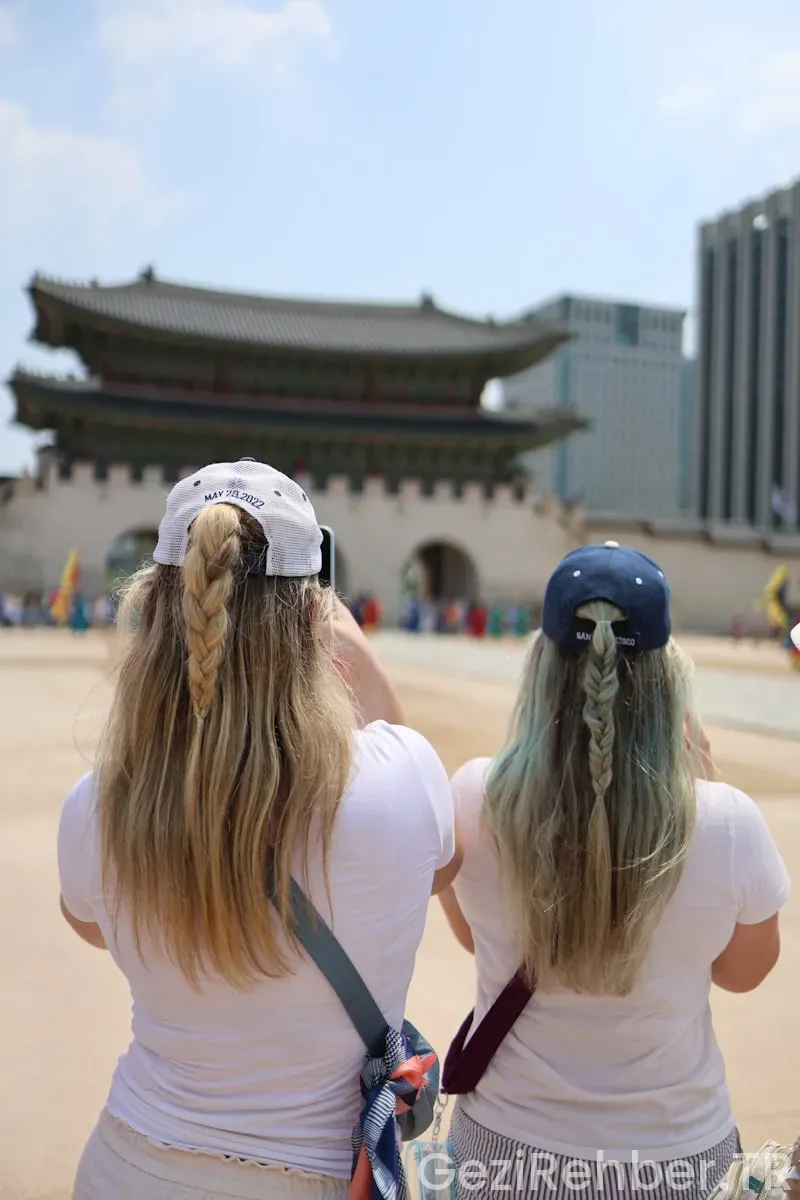
First off, Seoul is a no-brainer. This electric city seamlessly blends ancient palaces with trendy cafes. Imagine strolling through Gyeongbokgung Palace, where you can picture kings and queens roaming its halls centuries ago, then hopping over to trendy Gangnam for some shopping and that Insta-worthy gourmet meal.
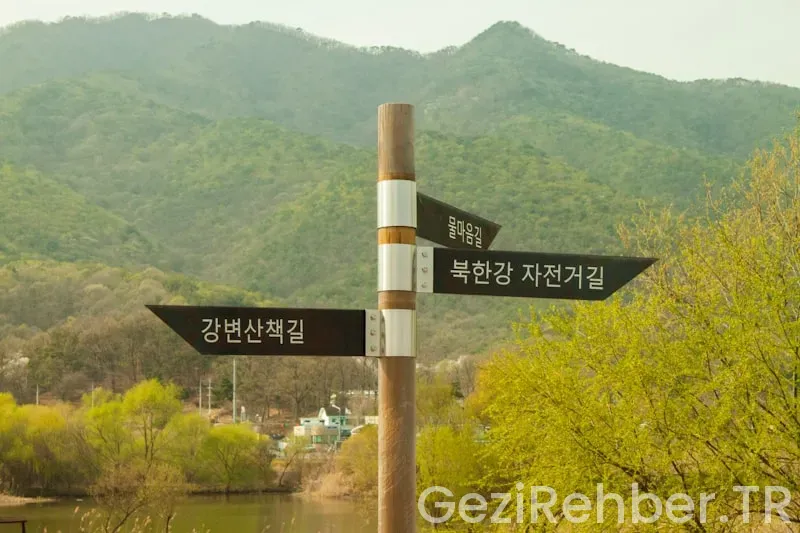
Next up, the serene beauty of Jeju Island. Think of it as Korea’s paradise — lush greenery, scenic coastlines, and the majestic Hallasan Mountain. It’s like living in a postcard! Whether you’re hiking, exploring unique lava tubes, or just lounging on the beach, every moment feels like a mini-vacation.
But wait, have you heard of Busan? This coastal city is all about those beaches and fresh seafood. Haeundae Beach is the star of the show, and trust me, the sunrise here will steal your breath away. It’s a perfect spot for a bit of sun and sand.
Don’t forget about Gyeongju, the ancient capital! It’s like stepping back in time with its historical sites, ancient tombs, and gorgeous temples. You could almost hear the whispers of the Silla dynasty echoing through the ages.
And then there’s Incheon, where modernity meets tradition. From the stunning architecture of Songdo to the beautiful Chinatown, there’s a blend of experiences waiting at every corner.
Each of these places has its own personality, drawing you in with unique stories and unforgettable moments. So, are you ready to pack your bags yet? Korea is calling your name!
Frequently Asked Questions
What Are the Best Times to Visit Korea?
The ideal times to explore Korea are during spring (April to June) and autumn (September to November). In spring, you can enjoy the beautiful cherry blossoms, while autumn offers stunning fall foliage. Both seasons feature mild weather, making outdoor activities enjoyable.
How Do I Communicate in Korea Without Speaking Korean?
To effectively communicate in Korea without speaking the language, consider using translation apps for real-time assistance, carry a phrasebook for basic expressions, and rely on visual aids like maps and images. Gestures and body language are also helpful in conveying your message. Engaging with locals who speak English or joining guided tours can enhance your experience.
What Should I Know About Korean Cuisine?
Korean cuisine is known for its bold flavors, vibrant colors, and emphasis on fresh ingredients. Key components include rice, vegetables, meats, and fermented dishes, with staples like kimchi and gochujang (chili paste). Meals often feature shared dishes, promoting a communal dining experience. Understanding the balance of flavors—spicy, sweet, sour, and savory—is essential to appreciating this culinary tradition.
How Do I Navigate Public Transportation in Korea?
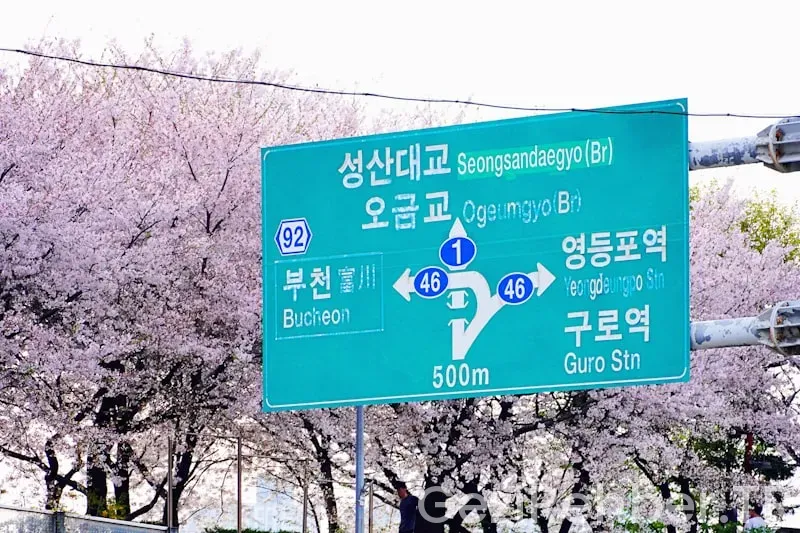
To navigate public transportation in Korea, familiarize yourself with the subway and bus systems. Use apps like KakaoMap or Naver Map for routes and schedules. Purchase a T-money card for convenient fare payments, valid on most public transport. Signage is often available in English, making it easier to identify stops and transfers. Research operating hours and plan your trips during peak times to avoid crowds.
What Are the Must-Visit Destinations in Korea?
Korea offers diverse attractions that cater to various interests. Key destinations include Seoul for its vibrant urban culture and historical sites like Gyeongbokgung Palace, Busan for its stunning beaches and seafood markets, and Jeju Island for natural beauty and volcanic landscapes. Other notable spots include the traditional village of Bukchon Hanok, the picturesque city of Gyeongju known for its ancient ruins, and the demilitarized zone (DMZ) for a unique historical perspective. Each destination showcases a blend of tradition and modernity, making Korea a captivating travel experience.