

Okudunuz mu?
İçindekiler
- 1. Mapping the Future: Innovative Trends in Travel Guide Design
- 2. Beyond the Brochure: How Digital Platforms are Revolutionizing Travel Guide Design
- 3. The Art of Exploration: Designing Travel Guides that Captivate and Inspire
- 4. From Print to Pixels: The Evolution of Travel Guide Aesthetics
- 5. Frequently Asked Questions
- 5.1. How to Make Travel Guides Visually Appealing?
- 5.2. What Tools Can Help Create Effective Travel Guides?
- 5.3. What Are the Best Formats for Travel Guides?
- 5.4. How to Tailor Travel Guides for Different Audiences?
- 5.5. What Essentials to Include in a Travel Guide Design?
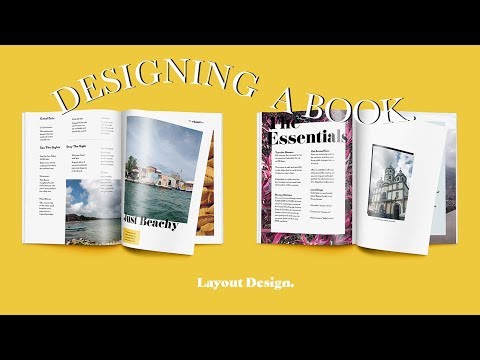
A well-designed travel guide is your trusty sidekick, seamlessly blending visuals with useful information. Think of it like creating a delectable recipe: you want the right ingredients, but presentation is key. The layout should draw your eye, guiding you effortlessly from one page to the next. Bold headers, engaging photos, and clear sections can make a world of difference—a little like how a neat, organized closet makes it easy to find your favorite sweater.
Engagement is paramount! Imagine flipping through a travel guide that not only tells you where to eat but paints a picture of the flavors and the atmosphere. Are you craving local cuisine? A well-designed guide gives you anecdotes and insider tips, as if a local friend is whispering secrets in your ear. It’s the difference between a bland list of restaurants and a lively story about the little bistro where the chef smiles as he serves you his grandmother’s recipe.

Mapping the Future: Innovative Trends in Travel Guide Design
Picture this: you’ve just landed in a city buzzing with life. Instead of fumbling with a static brochure, you whip out your smartphone, and there it is — a sleek, user-friendly app that uses augmented reality to overlay navigational paths right onto your surroundings. You can see the historical significance of a landmark or discover hidden gems around you, just by pointing your camera. It’s like having a local friend showing you around!
Moreover, personalization is a game-changer in guide design. Imagine receiving tailored recommendations based on your interests, previous trips, or even real-time trends. It’s akin to having a personal travel concierge at your fingertips. Whether you’re a foodie hunting for the best eats or an art lover wanting a peek at local galleries, these guides adapt to your preferences, making every journey uniquely yours.
Let’s not forget about sustainability! Many innovators are putting eco-friendly practices at the forefront of their design. Digital guides eliminate paper waste, and some companies even partner with local businesses committed to green travel. This trend is like planting seeds for a better planet while you explore it.
Beyond the Brochure: How Digital Platforms are Revolutionizing Travel Guide Design

Imagine scrolling through a vibrant, dynamic travel guide on your tablet, where every swipe reveals stunning imagery and videos that bring destinations to life. Websites and apps are stepping up their game, offering immersive experiences that brochures simply can’t match. Ever tried clicking on a point of interest in a digital guide? It’s like unwrapping a gift—you get photos, reviews, maps, and even local tips right at your fingertips!

Let’s talk interactivity. Have you ever used a digital platform that lets you customize your trip? When planning a getaway, it feels exhilarating to select routes, attractions, and itineraries that speak directly to your interests. It’s like being the captain of your own travel ship, steering toward new adventures tailored just for you!
And let’s not forget social media. It’s where travel guides burst forth from static pages to become living, breathing entities. Enthusiasts share real-time experiences, recommending hidden gems and showcasing vibrant cultures. Following a travel influencer is akin to having a friend in every destination, guiding you from afar and sparking wanderlust with every post.
The Art of Exploration: Designing Travel Guides that Captivate and Inspire
First off, storytelling is key. Think of your travel guide as a narrative, not just a list of places. Picture this: you’re flipping through a guide that talks about a quaint café in Paris. Instead of just mentioning the address, what if it painted a vivid picture of the aroma of fresh croissants wafting through the air and the sound of street musicians playing nearby? Suddenly, you’re not just reading; you’re transported to that charming corner of the world.
Next, visuals are your best friends. People eat with their eyes, and that goes for travel too! Including stunning photographs or maps can make all the difference. Imagine browsing a guide full of vibrant images that make you say, “I need to be there!” Visuals draw the reader in and help them envision their journey, almost like a movie trailer does for the latest blockbuster.

Let’s not forget practical tips—because every adventurer needs a little guidance. From the best times to visit a destination to hidden spots only locals know, these nuggets of wisdom can turn a good guide into a great one. Think of it like giving someone a secret handshake that opens doors to exclusive experiences.
From Print to Pixels: The Evolution of Travel Guide Aesthetics
Remember the thrill of discovering a new destination through glossy photographs and vibrant illustrations? Today, those elements are magnified in jaw-dropping detail on apps and websites that cater directly to our wanderlust. With a flick of your finger on a screen, you’re transported to a world where you can see live updates, real-time reviews, and stunning visuals that capture the essence of a place like never before. It’s almost like having a seasoned travel buddy right in your pocket!


Think about it: back in the day, you’d need to dog-ear pages or scribble notes in the margins, but now, interactive maps and personalized recommendations can guide your journey while adapting to your unique preferences. Isn’t that a game changer? You no longer have to rely solely on generic advice; instead, your travel guide can offer tailored insights that suit your style.
Frequently Asked Questions
How to Make Travel Guides Visually Appealing?
To enhance the visual appeal of travel guides, focus on using high-quality images, clear layouts, and engaging typography. Incorporate maps, infographics, and vibrant colors to create a dynamic experience. Balance text and visuals to maintain reader interest and provide essential information at a glance.
What Tools Can Help Create Effective Travel Guides?
Utilize a combination of digital tools like map services for navigation, content creation apps for writing and design, and data collection tools for gathering information. These resources aid in organizing information, enhancing visual appeal, and ensuring accuracy, which are essential for producing effective travel guides.
What Are the Best Formats for Travel Guides?
Effective travel guides should be concise, visually appealing, and accessible in various formats. Popular formats include printed booklets for offline use, e-books for portability, and mobile apps for real-time access to information. Infographics and interactive maps enhance user engagement, while detailed itineraries can help travelers plan their trips efficiently.
How to Tailor Travel Guides for Different Audiences?
To effectively tailor travel guides for various audiences, first identify the specific interests and preferences of each group. Conduct research to understand their needs, such as adventure seekers, cultural enthusiasts, or family travelers. Use clear language and relevant examples that resonate with each audience. Customize recommendations, itineraries, and tips that align with their expectations and styles of travel, ensuring the guide is engaging and informative.
What Essentials to Include in a Travel Guide Design?
A travel guide design should include essential elements such as an engaging cover, clear table of contents, informative sections on local attractions, accommodations, dining options, transportation tips, and safety information. Visual elements like maps and high-quality images enhance user experience. Consistent formatting and easy navigation are crucial for readability, ensuring travelers can quickly find relevant information to plan their journeys effectively.